

Considering veneers to enhance your smile? You're likely weighing the options of porcelain versus composite, especially if you're living in or planning a visit to our beautiful island. The Hawaiian climate presents unique considerations that can impact the longevity of dental restorations. Let's explore how these materials hold up in the Aloha State.
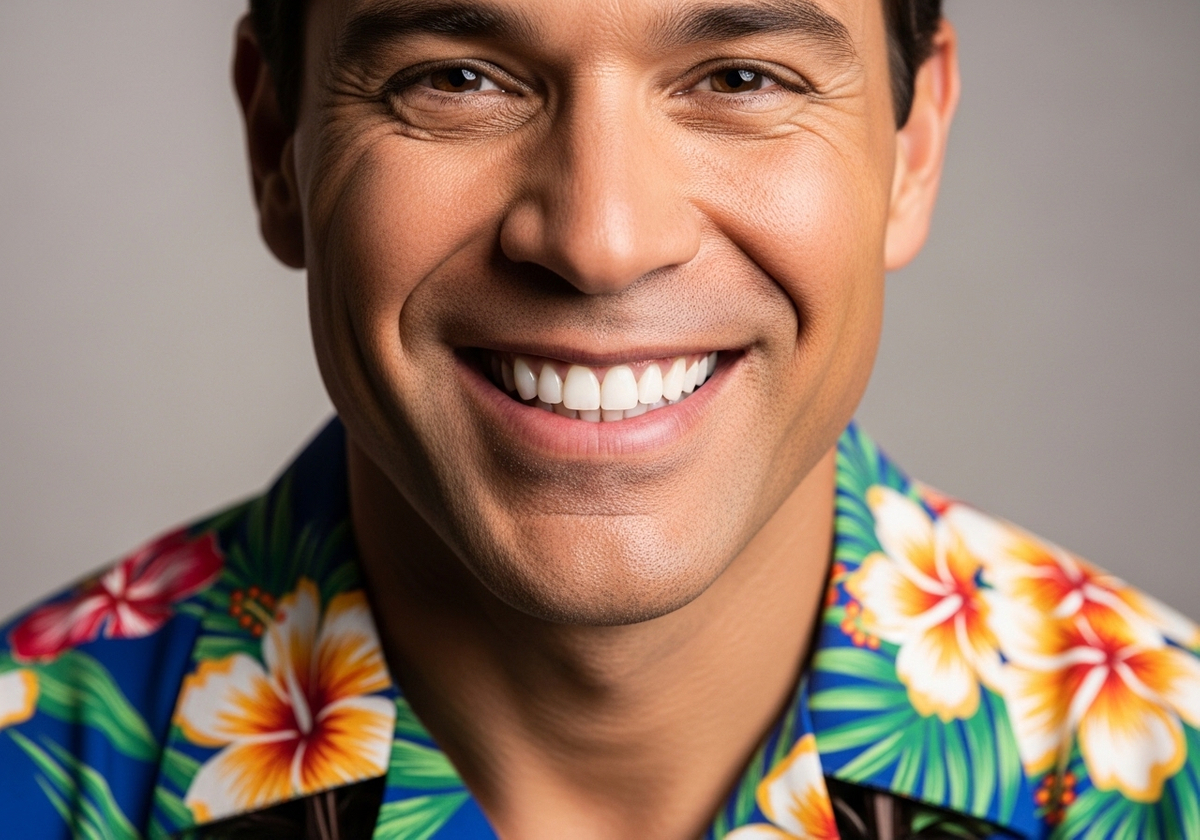
Porcelain Veneers: Durability and Beauty
Porcelain veneers are renowned for their strength, aesthetics, and stain resistance. Crafted from high-quality ceramic, they mimic the natural translucency of teeth, providing a realistic and luminous smile. But how do they fare in a tropical environment?
Longevity: Porcelain veneers typically last between 10 and 15 years, and sometimes even longer with proper care. The robust material is less prone to chipping or cracking compared to composite.
Stain Resistance: Hawaii's love for coffee, tea, and vibrant foods can challenge the appearance of your smile. Porcelain's non-porous surface resists staining, maintaining its brilliance over time.
Maintenance: While durable, porcelain veneers require the same diligent oral hygiene as natural teeth. Regular brushing, flossing, and dental check-ups are essential.
Composite Veneers: A Cost-Effective Option
Composite veneers are made from a tooth-colored resin material applied directly to the teeth. They offer a more affordable and quicker solution for smile enhancement. However, their performance in Hawaii's climate differs.
Longevity: Composite veneers generally last between 5 and 7 years, shorter than porcelain. The material is more susceptible to chipping, staining, and wear.
Stain Susceptibility: Composite resin is porous, meaning it can absorb stains from pigmented foods and beverages. Regular polishing may be required to maintain their original shade.
Maintenance: Composite veneers require meticulous oral hygiene and may need more frequent repairs or replacements compared to porcelain.
Climate Considerations in Hawaii
The warm, humid climate of Hawaii can affect dental materials. Temperature fluctuations and humidity levels can cause expansion and contraction, potentially impacting the bond between veneers and teeth. While both porcelain and composite are subject to these effects, porcelain's superior strength makes it more resilient.

Making the Right Choice
When deciding between porcelain and composite veneers in Hawaii, consider your budget, lifestyle, and long-term goals. Porcelain veneers offer superior durability and aesthetics, making them a worthwhile investment for those seeking a lasting smile transformation. Composite veneers provide a more affordable option but may require more frequent maintenance and replacement.
Ultimately, the best choice depends on your individual needs and preferences. Consulting with a skilled dentist in Honolulu is crucial to determine the most suitable option for your unique situation. Then remember that regular visits to a trusted dental clinic in Honolulu is important for maintaining your veneers!
Contact Pacific Dental Studio today to schedule a consultation and discover how we can help you achieve the smile of your dreams. Learn more about our cosmetic dentistry services or schedule an appointment with our experienced team!